
Gray Whale Season Recap
Every winter, one of the planet’s great wildlife spectacles unfolds along Baja’s Pacific coast, and 2026 was no exception. Gray whales completed their epic migration from Arctic feeding grounds to the warm, sheltered lagoons of Baja California Sur — and the travelers who made the trip to meet them came home with the kind of story that’s hard to top.
The season has now wrapped for the year, which makes this the perfect moment to look back at what makes it special and to start planning for the next one.
Where the whales go
Three lagoons anchor the experience. Laguna San Ignacio is the legend — remote, small-scale, and famous for “friendly” gray whales that approach pangas closely enough to touch. Ojo de Liebre hosts the largest concentration of whales in all of Baja, with seasoned local crews who know exactly where to find them. And Bahía Magdalena, less than three hours by car from the city, is close enough that visitors based around La Paz can manage it as a long day trip.
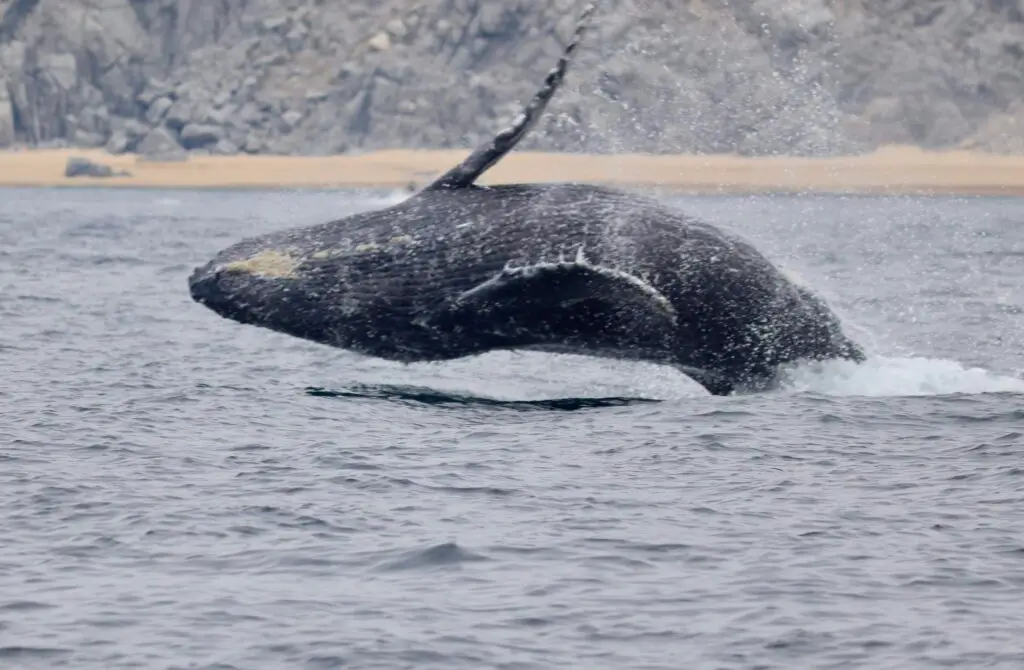
La Paz itself is better known for its humpback whales, typically sighted from January through March, giving the region a remarkable range of marine life within a few hours’ drive. Newer operators have also been running well-reviewed trips to spots like Puerto Chale and Punta Chale, roughly two hours from La Paz, where 2026 visitors reported plentiful sightings with organized, professional crews.
A conservation success story
What gives the season its emotional weight is the comeback behind it. Pacific gray whales were hunted to the edge of extinction, and their recovery to an estimated 25,000-plus individuals is one of the genuine triumphs of modern marine conservation. The lagoons where they calve are protected areas, and the small-panga, regulated approach to whale watching is designed to keep human impact light. Travelers aren’t just sightseeing — they’re supporting a model that has helped a species rebuild.
When to go and how to plan
The official season runs from December 15 in the San Ignacio and Ojo de Liebre lagoons and January 1 in Bahía Magdalena, extending through April 30 across all three. If you want the peak of the action, aim for February and March, when whale numbers and mother-calf activity are at their height.
A few tips for first-timers planning the next season:
- Book reputable, permitted operators. The lagoons are regulated, and licensed crews both protect the whales and know the best windows.
- Decide on your base. La Paz, Loreto and the town of Guerrero Negro each open up different lagoons; Magdalena Bay is the most accessible for a day trip.
- Pack for the open water. Mornings are cold, the sun is strong by midday, and you will get splashed — layers, sunscreen and a dry bag for your phone go a long way.
- Give it a full day. These are not city-pier outings; the remote lagoons reward travelers who build in real time.
For Americans already drawn to Baja’s beaches and desert, the whale lagoons are a reminder that the peninsula’s biggest attraction may be its wildlife. Mark the calendar for this winter — meeting a gray whale eye-to-eye is the rare experience that lives up to every photo.